A Trust-First, Protocol-Driven Blueprint to EnableAI Agents to Discover, Decide, and Pay Securely – while Preserving Merchant Control

AI-Driven Compliance

Fortifying Global Remittance

A Trust-First, Protocol-Driven Blueprint to EnableAI Agents to Discover, Decide, and Pay Securely —while Preserving Merchant Control

1. Executive Summary

Global remittances continue to serve as a critical economic lifeline, reaching an estimated $1 trillion mark, this essential flow of funds exists alongside an estimated $3.1 trillion financial activity, much of which exploits the complexity of international payment networks. In this environment, regulatory compliance has shifted from a back office function to a strategic imperative.

Cross-border payments and remittances continue expanding in both scale and usage, even as longstanding friction points persist, yet progress is slowed by fragmented standards, inconsistent regulations, and operational inefficiencies.
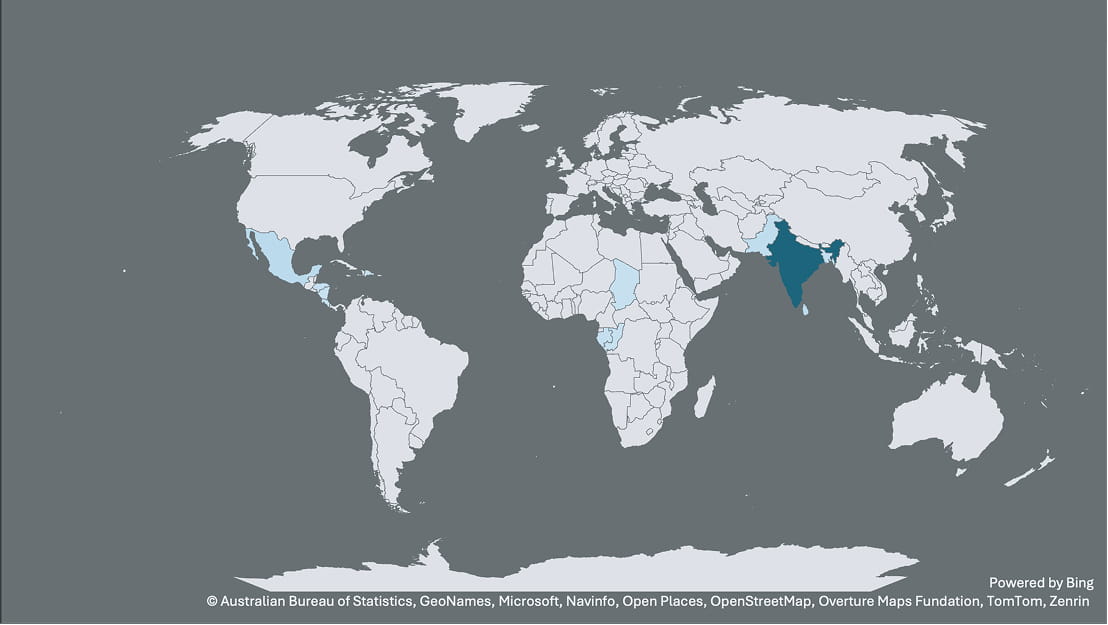
Financial institutions that modernize their compliance stack with AI-enabled architectures can materially improve outcomes, reducing false positives by as much as 95%, doubling fraud detection effectiveness, and mitigating the de risking strategies that have cut off access for many vulnerable economies.
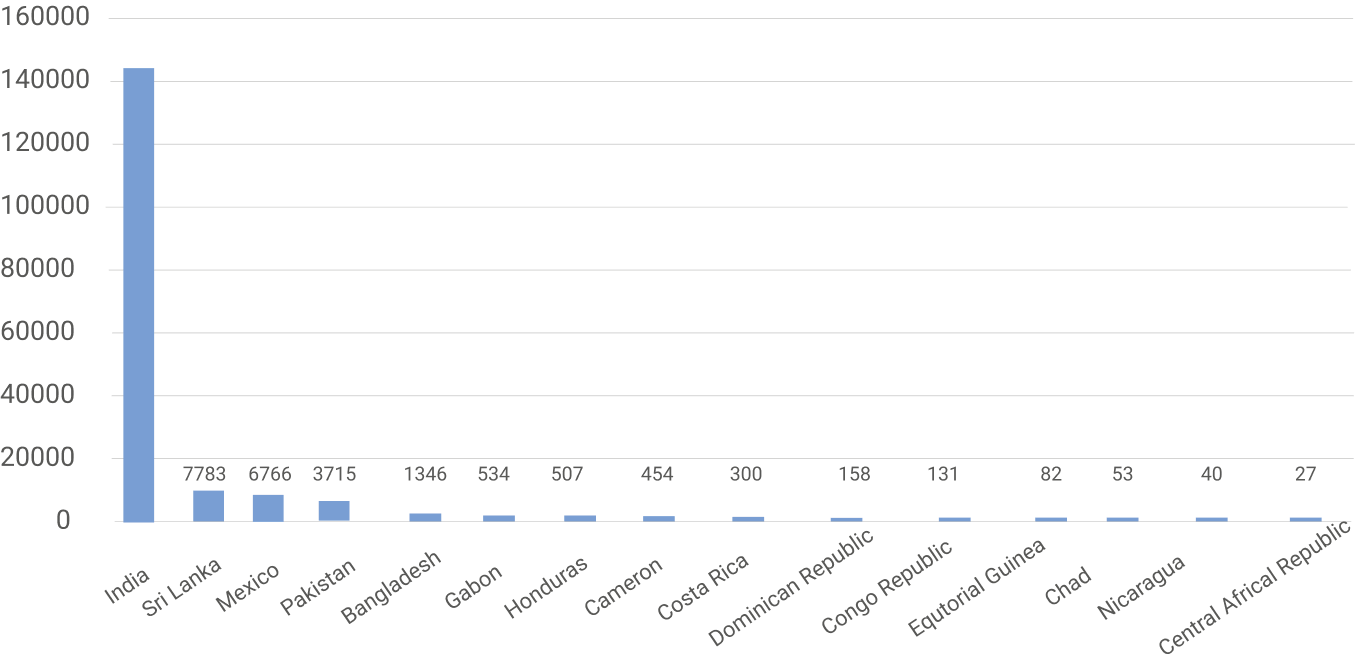
Digitization of Remittances: Global players report more than one billion people send or receive remittances each year.

As remittances become more digital and real-time, it is critical that controls are applied consistently across complex, multi party payment chains. The multi-layer arrangements enable the remittance, create additional layers where regulatory and compliance obligations must attach.

Challenges Intensifying Across Digital Channels

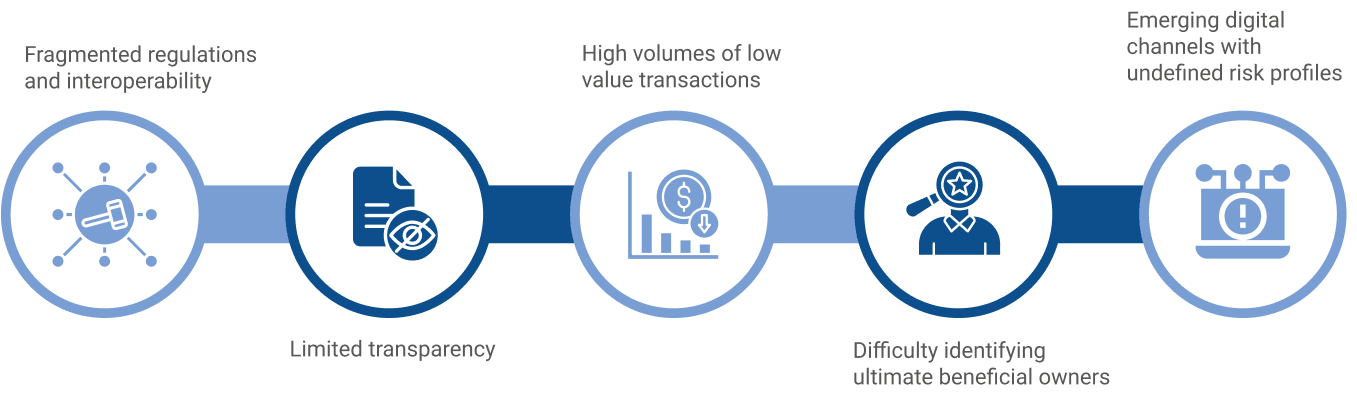
AML is identified within a range of vulnerabilities specific to cross-border remittances, including:
Sanctions evasion techniques increasingly mirror AML typologies, including proxy actors, shell entities, trade manipulation, and misuse of digital assets—reinforcing the need for integrated, intelligence driven controls.

The goal is to provide a roadmap for building a robust, AI-enabled compliance architecture that maintains the delicate balance between financial security, operational efficiency, and the accelerating pace of global digital migration.

2. Problem Statement and Challenges

The greatest challenge in cross-border payments stems from the structural frictions created by fragmented regulatory regimes. These inconsistencies slow transactions, add cost, and complicate compliance across jurisdictions.

Scale of Illicit Finance

Global money laundering is estimated to reach $5.5 trillion annually, equivalent to roughly 5% of global GDP, underscoring the magnitude of financial crime pressures on the system.

Operational Burden

Compliance operations are strained by overwhelming alert volumes. An example, some teams may confront up to 5,000 alerts per day.

Customer Impact

Inefficiencies in cross-border processing directly affect businesses; U.S. merchants alone lost an estimated $3.8 billion in sales in 2024 due to failed or faulty international payment flows.

cross-border remittances, an economic lifeline for millions of households, remain vulnerable to money laundering and financing of illicit activity.

Compliance is indispensable for secure remittance flows, yet exceedingly difficult due to the dispersed and opaque nature of international payment networks.

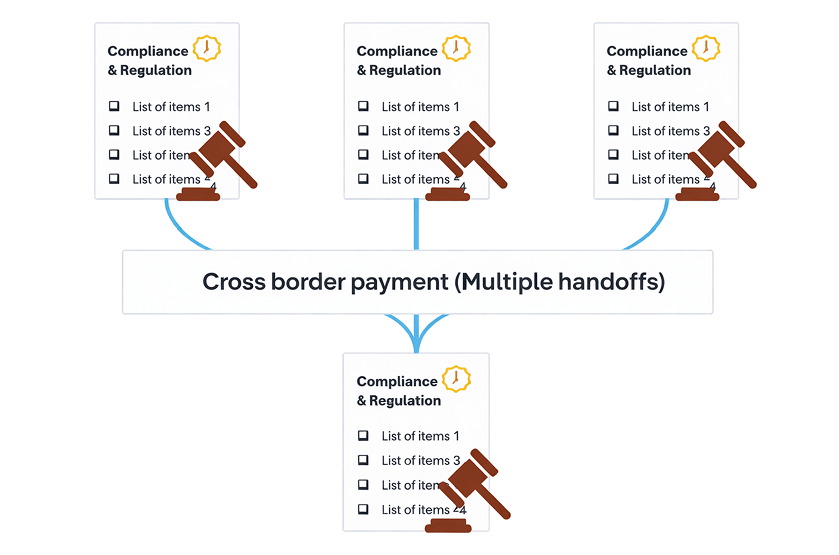
A single remittance may pass through multiple financial institutions, messaging systems, and regulatory jurisdictions. The transfers often move through correspondent banking chains using SWIFT messaging and nostro/vostro accounts before reaching the beneficiary; introducing multiple handoffs that dilute visibility and complicate the application of controls.

The technology advancements alone are insufficient to eliminate these frictions. Divergent national regulations, differing AML expectations, and inconsistent data sharing rules create a fragmented global environment that slows cross-border transactions and raises operational costs.

3. Industry Context and Drivers

The cross-border payments and remittances landscape is being reshaped by accelerating digitization, rising real-time expectations, and intensifying regulatory oversight. Several industry wide forces are driving a fundamental shift in how compliance must operate:

Digital Dominance: 67% of consumers globally now prefer sending remittances through digital apps rather than physical locations, reinforcing the rapid migration toward mobile first money movement.

Regulatory Scrutiny: In 2024, regulators issued $4.6 billion in AML related fines, with KYC penalties increasing 102% year over year, underscoring heightened global enforcement.

Whitepaper Overview
What you’ll learn in this Whitepaper

Explore the complexities of cross-border payments compliance, from AML, KYC, and sanctions challenges to AI-enabled fraud detection, regulator-ready solutions, and the future of intelligent compliance.

01
The challenge
Context & compliance landscape
01Executive Summary
02Problem Statement and Challenges
03Industry Context and Drivers

02
The requirements
Cross-border compliance & risk
04Cross-Border Remittance Flow and Where Controls Attach
05AML and KYC Requirements in Cross-Border Remittances
06Key Compliance Challenges in Cross-Border Remittances
07Sanctions Evasion as an AML Stressor

03
The solution
AI-enabled compliance
08Practices for Handling Cross-Border Payments Compliance
09AI-Enabled Architecture and AI’s Role in Fraud Detection
10Apexon – Designing Solutions for Future

04
The path forward
Trust, governance & readiness
11Regulator Ready AI: Validation, Explainability, and Governance by Design
12Conclusion

Social media & sharing icons powered by UltimatelySocial